


So you’re thinking about trading. That is great news: if you’re searching for reasons to trade, you’re already ahead of most people who start.
Many jump hoping they can get rich by finding the right stock at the right time. The reality is luck alone isn’t enough. Trading requires preparation, knowledge, and most importantly, conviction.
But you’re doing something smarter: asking whether trading offers anything that actually matters to your financial situation before risking a dollar. Maybe your savings are collecting dust at 0.5% while inflation runs at 3%. Maybe you’re tired of handing money to fund managers who underperform the market and still collect their fees. Or maybe you’ve realized that the financial system won’t fix itself, and sitting still feels riskier than learning something new.
These are all perfectly good reasons to trade, because they are grounded on logic. They’re practical, measurable, and accessible, but only if you understand what you’re actually getting into.
In this article, we’ll break down the concrete benefits that draw people to financial markets: the realistic advantages, the specific opportunities, and the genuine utility trading can provide when approached properly. Because having the right reasons to trade is often the critical factor in determining whether you are ready to do it.
What Does It Mean to Trade?
Trading as a term refers to buying and selling financial instruments to profit from price movements. These instruments include stocks, currencies, commodities, indices, and various derivatives. Traders typically focus on shorter-term price fluctuations, basing decisions on market analysis, economic developments, or technical patterns.
Unlike holding an asset for years in the hope it appreciates, trading is active. It demands regular attention, ongoing decisions, and the ability to adapt when conditions shift.
Yet, trading means a whole lot of different things. For starters, it means you’re risking your hard-earned money in search of bigger profits. It also means leaving your opinions or your pride aside and making decisions based entirely on logic and information, even if they go against your personal beliefs.
Understanding this is critical to get started, because it is a sign that you’re ready to take accountability for your decisions.
You might be wondering: if trading involves so much effort and sacrifices, why do people do it? Indeed, there are many reasons to trade, but the short answer is: because if you do it well, the payoff is more than worth it.
Financial Reasons to Trade
Trading presents many financial opportunities, which most people find too attractive to let pass. Outcomes are never certain, but several potential benefits appeal to those seeking more active capital growth.
1. Potential for Active Income Generation
Traditional savings accounts and passive investments generate returns over extended periods with minimal involvement. Trading offers something different: the possibility of returns through active participation. Traders who develop sound methods may generate income more regularly, though doing so requires time, education, and disciplined risk management.
While the opportunity of generating an additional income is a popular reason to trade, there is a catch: trading income is variable. Losses happen, they’re part of the process. Consistent profitability usually takes considerable experience.
So, if you’re considering trading as a source of income, you should hold realistic expectations and never risk funds you can’t afford to lose.
2. Portfolio Diversification Opportunities
Trading opens access to multiple asset classes, which can complement a broader financial portfolio.
Rather than concentrating wealth in one investment type, traders can spread exposure across different markets and instruments. Because various assets often respond differently to economic shifts, this diversification may help manage overall portfolio risk. Think of it as a defensive approach: you trade to hedge against losses other investments might incur.
For those already holding long-term investments, trading can serve as a complementary activity: capturing opportunities that a buy-and-hold approach might miss.
3. Access to Global Markets and Asset Classes
Modern trading platforms have democratised access to markets once reserved for institutions or the well-capitalised. Today, individuals can trade stocks on major international exchanges, participate in foreign exchange markets, speculate on commodity prices, or gain exposure to indices representing entire economies.
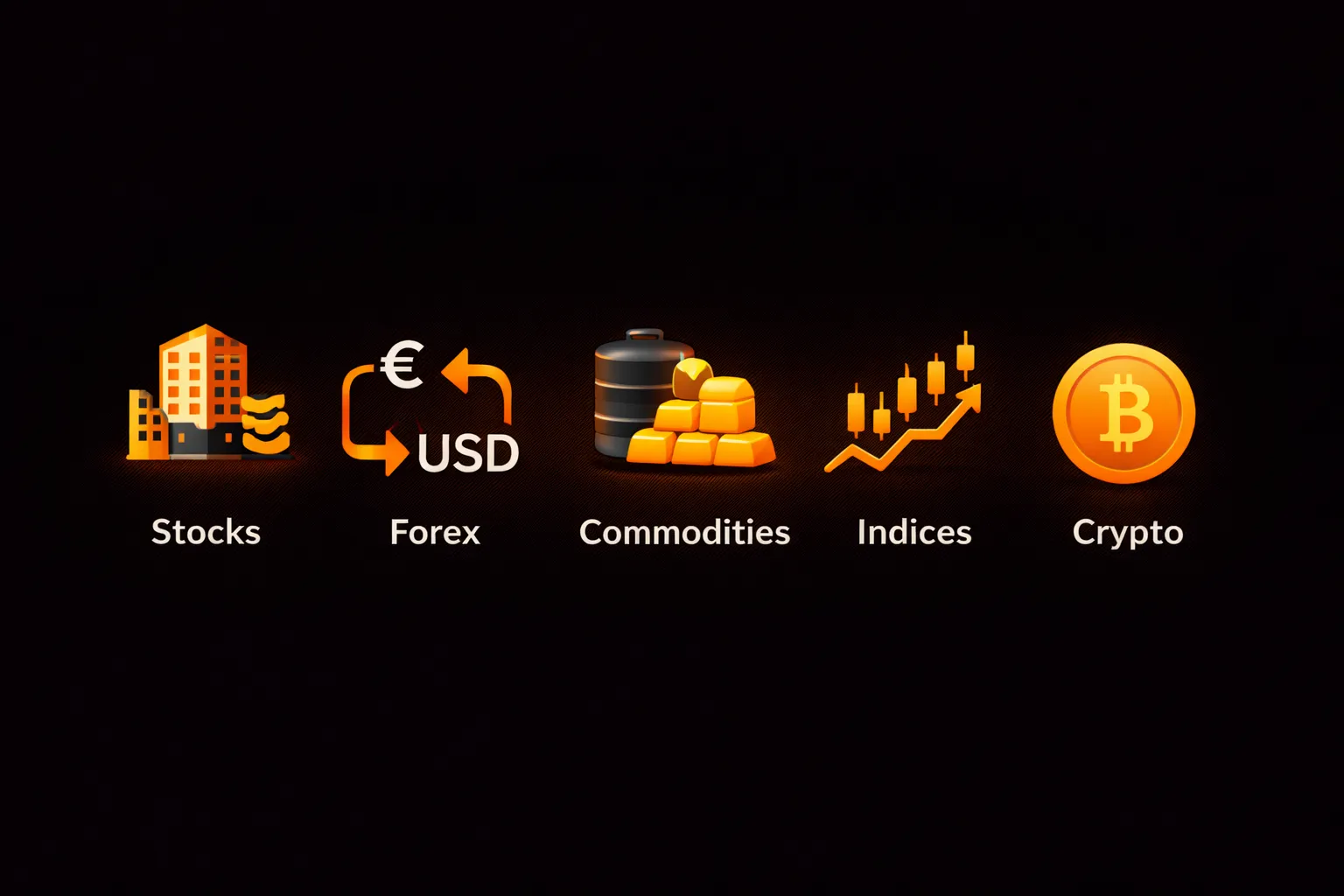
This breadth means traders can pursue opportunities wherever they emerge, rather than remaining confined to a single market or region. When choosing a trading platform, the range of available markets often weighs heavily in the decision.
Practical Benefits of Trading
Beyond financial reasons to trade, many also find practical advantages that appeal to those valuing flexibility and personal growth.
4. Flexibility and Time Independence
Flexibility ranks among the most commonly cited reasons people trade. Financial markets span time zones, and some (like the forex market) operate around the clock on weekdays. This allows individuals to trade at times that fit their schedules: early mornings, lunch breaks, evenings.
In short, you trade when and how you want.
This “freedom” is one of the most popular reasons to trade. Such flexibility makes trading accessible to people with varying commitments, like full-time jobs, family obligations, other pursuits. Do not mistake flexibility for ease, however. Effective trading requires dedicated time for analysis, learning, and execution.
5. Low Entry Barriers
It has never been easier to trade than it is today. Back in the day, if you wanted to buy a stock, you would have to call a broker to place an order or even go to their offices physically. Then, you’d receive a paper certificate to certify you owned those shares. This process was frictionful and expensive, which is why broker commissions were much higher.
Today, many brokers accept modest initial deposits, and some offer demo accounts where beginners can practise with virtual funds before committing real capital. Educational resources (articles, videos, structured courses) put foundational knowledge within reach for anyone willing to learn. And broker fees are minimal, if not completely free in some cases.
This accessibility has become one of the main reasons why more and more people decide to step into the world of trading. Of course, challenges still exist, but exploring the markets no longer demands substantial wealth or professional credentials.
6. Skill Development and Financial Literacy
Engaging with markets cultivates valuable skills, both technical and psychological. Traders sharpen analytical thinking, learn to interpret economic data, and build discipline around decision-making.
Engage with the markets long enough, and you’ll notice how your financial literacy improves naturally. Understanding how markets function and how economic events move prices becomes second nature over time.
These capabilities extend beyond trading, proving useful in personal financial planning, professional contexts, and general economic awareness.
Strategic Advantages of Trading
For those who invest time in learning, trading provides strategic options that more passive approaches lack. These advantages are among the most popular reasons to trade actively as opposed to investing.
7. Ability to Profit in Rising and Falling Markets
Traditional investing relies on assets gaining value. When markets fall, investors often face losses with few options beyond waiting for recovery.
Trading offers mechanisms to potentially profit regardless of market direction. Through instruments like contracts for difference (CFDs) or short selling, traders can position themselves to benefit when prices decline.
This flexibility opens opportunities in varied market conditions, though it demands accurate analysis and carries distinct risks.
8. Leverage and Capital Efficiency
Many trading instruments offer leverage, allowing traders to control positions larger than their deposited capital would otherwise permit. With 10:1 leverage, for instance, a trader could control a position worth ten times their margin deposit.
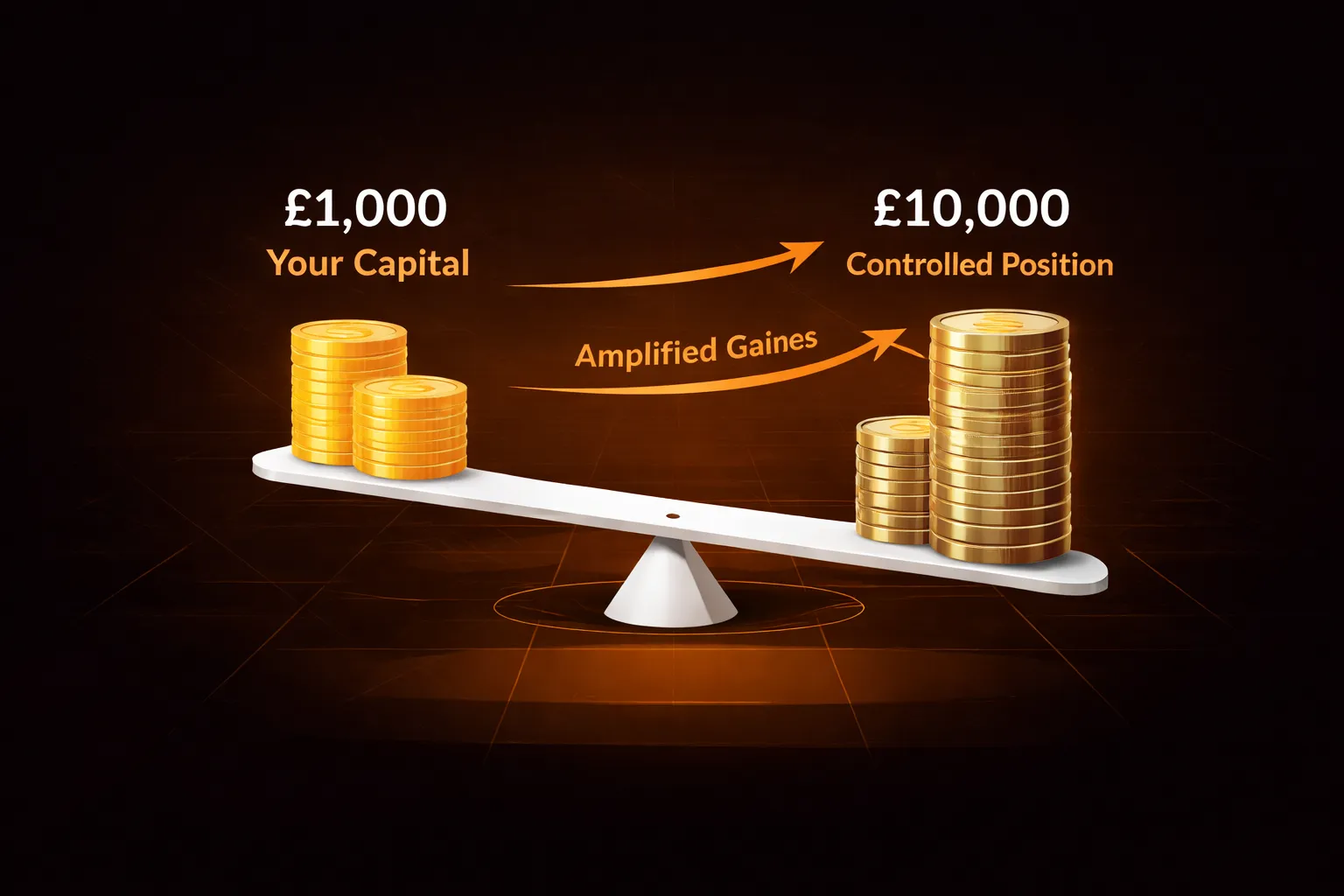
Leverage magnifies returns when trades move favourably, but equally magnifies losses when they don’t. Leverage is a complex tool, so you shouldn’t use it unless you understand both how it works and the risks it comprehends completely.
9. Control Over Risk and Position Sizing
Traders exercise precise control over their exposure. They decide how much capital to allocate per trade, set stop-loss orders to cap potential losses, and adjust position sizes according to their confidence in any setup.
This control enables structured risk management tailored to individual circumstances and tolerance. Position sizing and risk management rank among the most consequential skills a trader can develop, often distinguishing those who sustain their trading from those who don’t.
Who Should Consider Trading?
Trading isn’t for everyone, and that’s alright. Some people are not willing to dedicate hours to studying the market. Others are not comfortable with the risks. For those people, long-term investing is a fitting alternative.
On the other hand, those who tend to find trading a good fit typically share certain traits:
- Genuine interest in financial markets and how they function.
- Willingness to invest significant time in learning before expecting results.
- Discipline to follow a structured approach rather than acting on impulse or emotion.
- Acceptance that losses are inevitable and part of the learning curve.
- Financial stability to absorb losses without causing hardship.
Those seeking guaranteed returns, unable to afford capital losses, or without time for education and practice may find trading frustrating or financially damaging.
Key Considerations Before You Start
As you can see, there are many reasons to trade, invest, and step into the market. However, there are just as many factors that require careful thought before getting started:
- Assess your financial situation honestly: Trade only with money you can afford to lose, and keep essential funds entirely separate from your trading capital.
- Commit to education: Understanding market mechanics, analysis methods, and risk management is foundational that has to be implemented even before you place your first trade.
- Start with a demo account: Build skills and test strategies without financial exposure before risking real capital.
- Begin small with real funds: When you transition to live trading, keep position sizes modest and scale up only as your competence and confidence grow.
- Embrace continuous learning: Markets evolve, and successful traders refine their knowledge and methods throughout their careers.
Your Reasons to Trade Must Be Logical
Each person’s reasons to trade are varied and unique. Some pursue active income potential; others value flexibility and independence. Access to global markets, the ability to profit in different conditions, and the development of transferable skills add to the appeal. Yet these benefits come with meaningful responsibilities and risks.
Understanding why people trade is a useful starting point, but only that. What matters most is not the reasons you might have for trading, but that they align with how it works and what it can offer you.
Whether trading suits your goals depends on your circumstances, risk tolerance, and commitment to learning. If you approach it thoughtfully, trading can be rewarding. If you don’t, it will be costly. Honest self-assessment, thorough education, and measured steps make all the difference.
Warning: This content is for educational purposes only and does not constitute financial advice. Trading involves significant risk, including the potential loss of capital. Past performance does not guarantee future results. Consider seeking advice from a qualified financial professional before making trading decisions.


Comments