


Knowing when to get out of a trade matters just as much as knowing when to get in. Traders routinely spend hours analyzing entry points, studying chart patterns, and waiting for the right setup. Then make rushed, emotional decisions when it comes time to close the position. An exit strategy brings structure to this moment. It defines, before you commit capital, the conditions under which you will take profits or cut losses.
This guide treats exit planning as a discipline. You will learn about different types of exits, how to build rules that suit your trading style, and how to sidestep the psychological traps that lead traders to abandon their plans. The aim is a repeatable process: one you define before entering any trade.
Disclaimer: This content is for educational purposes only and does not constitute financial advice. Trading involves risk of loss.
What Is an Exit Strategy in Trading
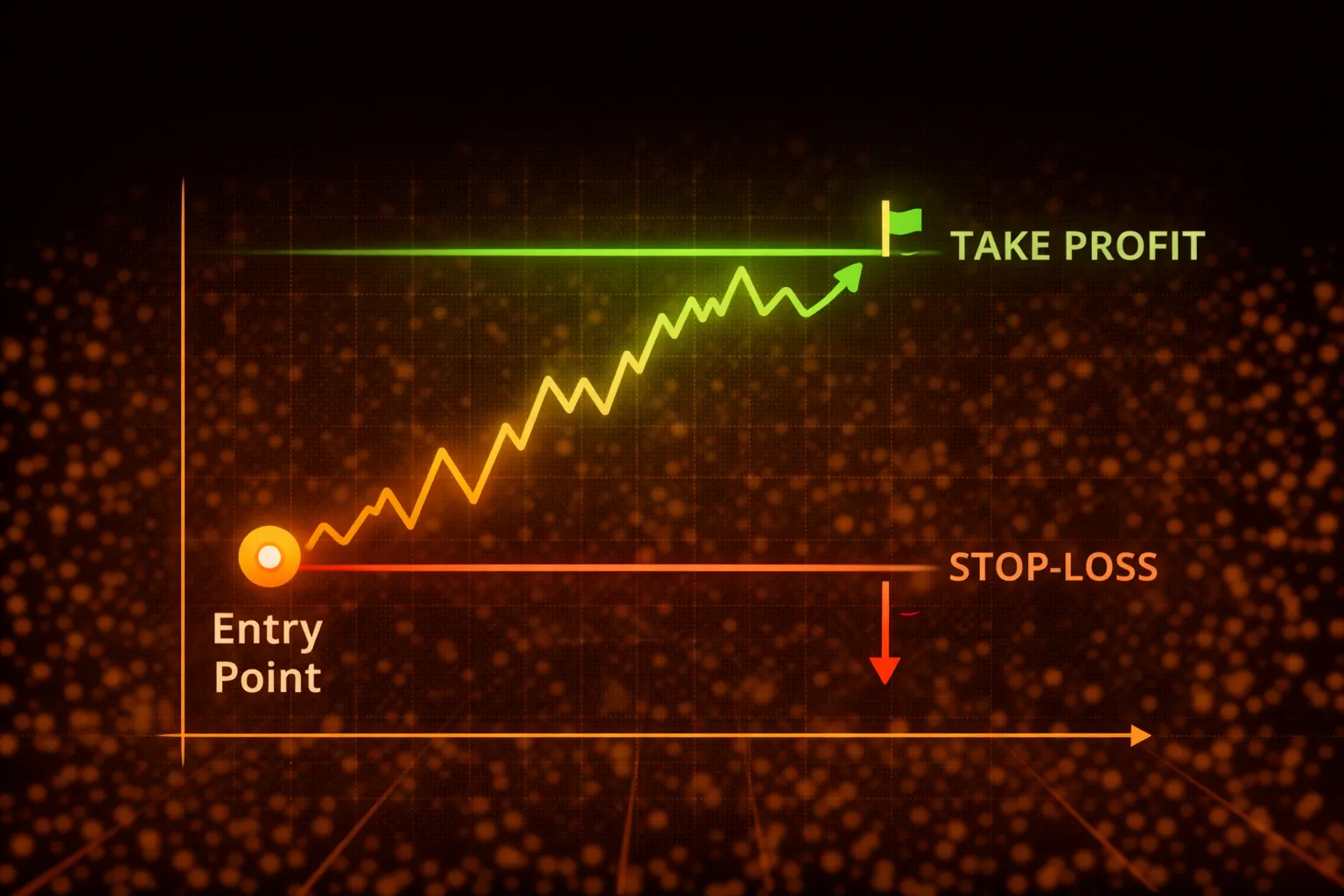
An exit strategy is a predefined plan for closing a trade. It specifies the price levels, time conditions, or market signals that will trigger you to sell a position (if long) or buy it back (if short). Instead of reacting to price movements as they happen, you establish your exit criteria before the trade begins.
Exit strategies address two scenarios: when the trade moves in your favor and when it moves against you. The first involves taking profits at a target level. The second involves cutting losses before they exceed an acceptable threshold. Both demand advance planning.
Why Exits Matter More Than Entries
Entry points receive outsized attention in trading education. Candlestick patterns, indicator crossovers, support levels: these dominate the conversation about finding the “right” moment to enter. But the only exit determines whether a trade is profitable.
A well-timed entry can still produce a loss if you hold too long or panic-sell too early. An unremarkable entry can turn profitable if the exit is managed properly. Exit planning compels you to consider the full lifecycle of a trade. It also dampens the influence of emotion, which tends to intensify once money is on the line.
Types of Exit Strategies
Different exit methods serve different purposes. Some lock in profits, others cap losses, and some respond dynamically to price movement. Most traders combine several approaches.
Take Profit Exits
A take profit exit closes a trade when the price reaches a predetermined target. You define this level before entering, based on your analysis of potential price movement. Once the target is hit, the position closes automatically (if using a limit order) or manually.
Take profit levels can be set using technical analysis: resistance zones, Fibonacci extensions, measured moves; or based on a fixed risk-reward ratio. What matters is defining the target in advance rather than improvising as the trade unfolds.
Stop Loss Exits
A stop loss is an order that closes a trade when the price moves against you by a specified amount. Its purpose is to cap your loss on any single trade. Without one, a small losing position can balloon into a much larger one, particularly in fast-moving markets.
Stop losses can be placed at technical levels (below support for a long trade, above resistance for a short), at a fixed percentage or dollar amount from entry, or based on volatility measures like Average True Range (ATR). Placement should reflect both the trade setup and your personal risk tolerance.
Time-Based Exits
Some strategies close trades after a set period, regardless of price. Time-based exits are common in day trading, where positions are closed before the session ends to avoid overnight risk. They also apply to swing trades that have not reached their target within an expected window.
The logic is that a trade thesis has a shelf life. If the anticipated move has not occurred within a reasonable timeframe, the original rationale may no longer hold.
Trailing Stops
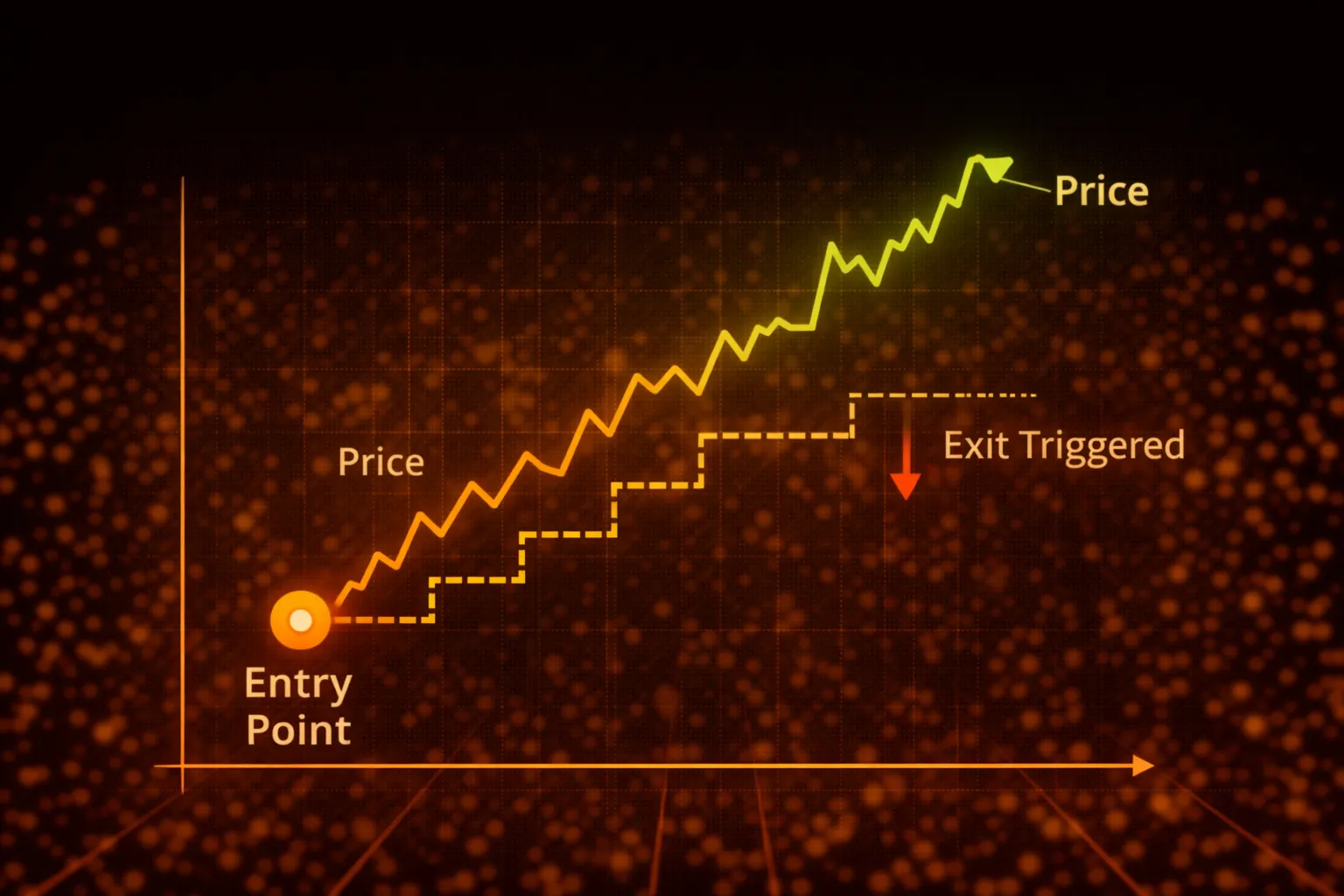
A trailing stop is a dynamic stop loss that moves with the price as the trade becomes profitable. If you enter a long trade and the price rises, the trailing stop rises with it. But if the price falls, the stop stays in place. This allows you to capture more profit during strong trends while still protecting gains already made.
Trailing stops can be set as a fixed distance from the current price, a percentage, or based on technical indicators. They work particularly well when you believe a trade has further potential but want to secure existing profit.
How to Build Exit Rules Before You Trade
Exit planning belongs before you enter a trade, not after. Defining your rules in advance removes the need to make decisions under pressure.
Defining Your Risk-Reward Ratio
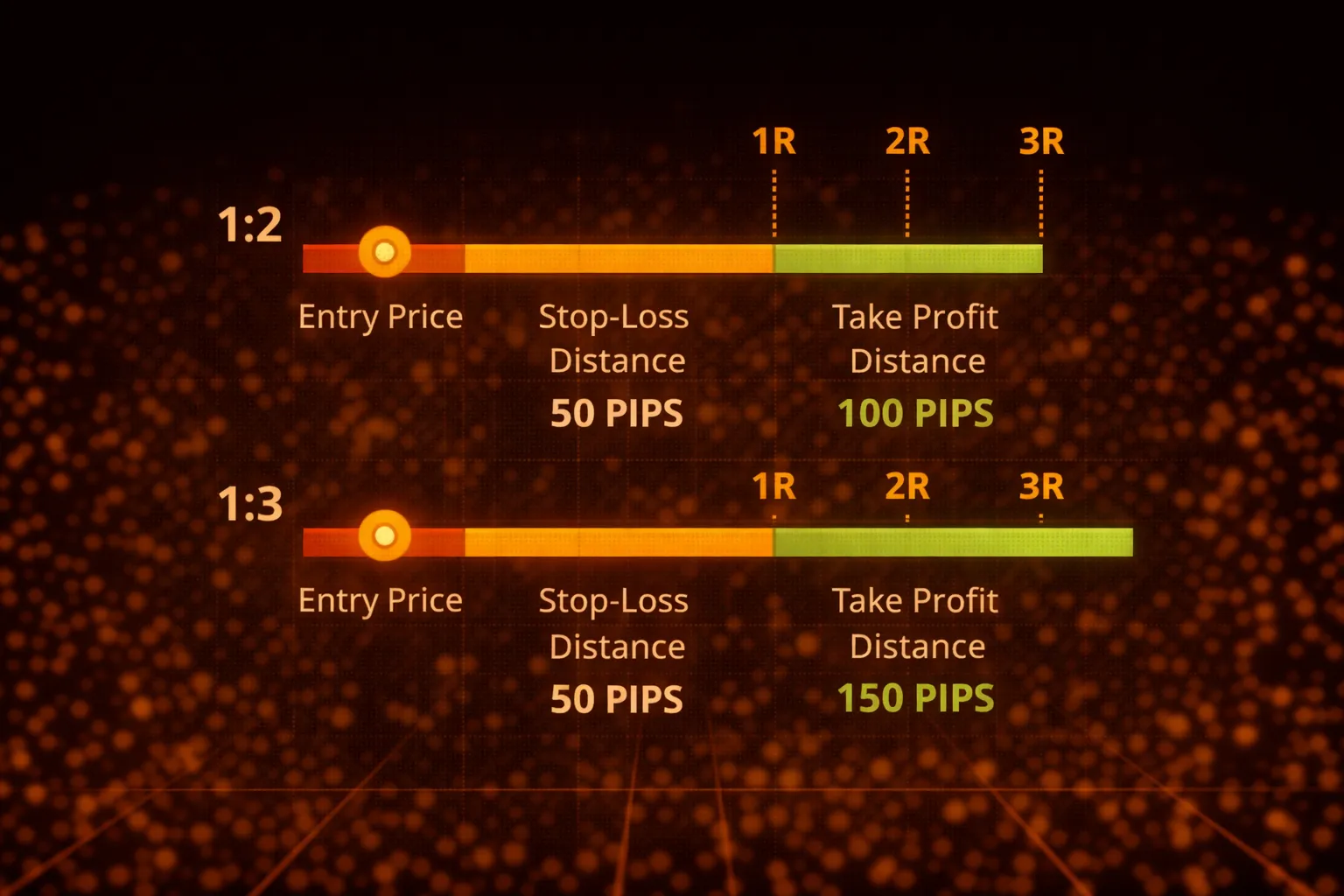
The risk-reward ratio compares a trade’s potential loss to its potential gain. If your stop loss sits $100 below your entry and your take profit sits $200 above it, your risk-reward ratio is 1:2. You stand to gain twice what you risk.
Risk-reward ratios help you judge whether a trade is worth taking. A 1:1 ratio requires a higher win rate to be profitable over time than a 1:3 ratio. Calculating this before entry lets you filter out setups that fall short of your criteria.
Setting Exit Criteria Based on Trade Setup
Exit levels should connect to the logic of the trade itself. If you entered because price bounced off a support level, your stop might sit just below that support, because a break below it would invalidate your thesis. Your profit target might align with the next resistance level, where selling pressure tends to emerge.
Generic exit rules applied uniformly across all trades often underperform. The more your exit criteria reflect the specific setup, the better they tend to function.
Accounting for Volatility and Market Conditions
A stop loss that works in a calm market may trigger too easily in a volatile one. Adjusting your exit parameters based on current conditions often proves necessary. Wider stops may be required during high-volatility periods to avoid getting stopped out by normal price fluctuations.
Tools like ATR can help quantify volatility and inform stop placement. If a stock typically moves $2 per day, placing a stop $0.50 away is probably too tight. Matching your exit rules to the market environment improves their effectiveness.
Common Exit Mistakes and How to Avoid Them
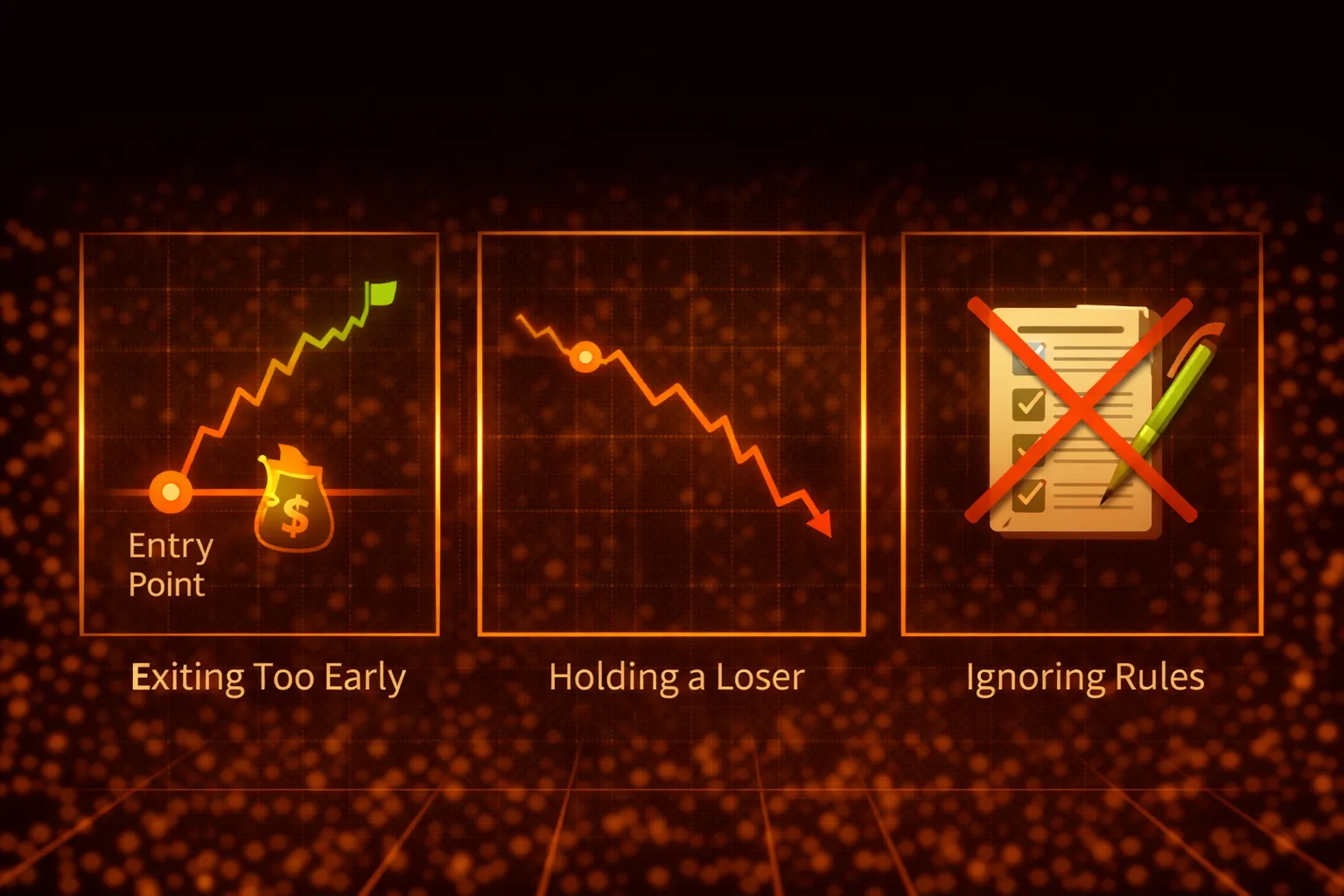
Even with a plan, traders often deviate from it. Recognizing the most frequent mistakes can help you stay disciplined.
Exiting Too Early
Fear of losing profits triggers premature exits. You see a small gain and close the trade before it reaches your target, worried the price will reverse. Over time, this habit shrinks your average win size and can reduce an otherwise profitable strategy to breakeven or worse.
The remedy is trusting your pre-trade analysis. If your target rested on sound reasoning, let the trade play out. Partial exits (taking some profit while letting the rest run) offer a compromise if this proves difficult.
Holding Losers Too Long
The opposite mistake is refusing to accept a loss. Traders move their stop further away, hoping for recovery, or remove it entirely. This converts small, manageable losses into large ones that damage both the account and psychological confidence.
Accepting losses as a normal cost of trading is essential. A stop loss exists to protect you. Moving or ignoring it defeats its purpose.
Ignoring Your Own Rules
Perhaps the most frustrating mistake is having sound rules and not following them. In the moment, emotion overrides logic. You exit early, hold too long, or override your stop because “this time feels different.”
Discipline develops through practice. One approach is to automate your exits using limit and stop orders, so execution happens without your intervention. Another is to reduce position size until following your rules becomes habitual.
How to Test and Refine Your Exit Strategy
Exit strategies are not fixed. They should evolve as you gather data on what works for your trading style and the markets you trade.
Backtesting Exit Rules
Backtesting applies your exit rules to historical data to see how they would have performed. This does not guarantee future results, but it reveals whether your rules have a logical edge and helps identify weaknesses.
You can backtest manually by reviewing past charts and recording hypothetical outcomes, or use software designed for this purpose. The goal is evaluating your rules objectively before risking real capital.
Journaling and Review
A trade journal records your entries, exits, reasoning, and emotional state for each trade. Over time, patterns surface. You may notice consistent early exits on certain setups, or stops that get hit just before price reverses.
Regular review lets you refine exit rules based on actual experience rather than theory. This iterative process is central to long-term improvement in managing trading risk.
Key Takeaways
- An exit strategy defines when and how you will close a trade before you enter it
- Exits determine profitability more than entries; planning them deserves equal attention
- The main exit types include take profit, stop loss, time-based, and trailing stops
- Risk-reward ratios help you evaluate whether a trade setup is worth taking
- Exit levels should reflect the logic of the specific trade, not arbitrary numbers
- Common mistakes include exiting too early, holding losers, and ignoring your own rules
- Backtesting and journaling allow you to test and refine your exit approach over time
- Discipline in following your plan separates consistent traders from inconsistent ones


Comments